
Recycled Materials Policy Drives Low-Carbon Polyester Raw Materials: Opportunities for DMT Suppliers
China's policy support for recycled materials and low-carbon industries creates long-term opportunities for low-carbon DMT, polyester-grade Dimethyl Terephthalate and high-quality polyester raw material supply chains.

TL;DR
- China's policy push on recycled materials and low-carbon industry creates long-term opportunity for low-carbon DMT, high-quality polyester feedstock and the Dimethyl Terephthalate supply chain. ResourceCycle reads the policy from the angle of DMT production, quality documentation and downstream application.
- Keywords: recycled materials policy · low-carbon DMT · Dimethyl Terephthalate market outlook · DMT supplier · polyester-grade DMT
Policy Tailwind: Low-Carbon Polyester Feedstock Enters a Faster Lane
To implement central government decisions on carbon peaking and carbon neutrality and accelerate high-quality development of the recycled-materials industry, seven ministries — the National Development and Reform Commission, the Ministry of Industry and Information Technology, the Ministry of Ecology and Environment, the Ministry of Commerce, the Ministry of Housing and Urban-Rural Development, the State Administration for Market Regulation, and the Government Offices Administration — have jointly issued the Action Plan for the Application and Promotion of Recycled Materials.
Why now
- China generates over 60 million tonnes of waste plastic annually, with a recycling rate of only around 30%
- Chemical recycling technology has matured to the point where industrialisation is practical
- The EU and other developed markets already mandate minimum recycled-content ratios
Five Priority Tasks
1. Drive recycled materials into key sectors
The plan targets high-value sectors — automotive, electronics and packaging — to raise market penetration of recycled materials.
- Automotive: recycled plastics in vehicle components, targeting a 15% recycled-content rate by 2030
- Electronics: recycled content in electronic products, targeting 20% by 2030
- Packaging: PET beverage bottles to contain no less than 30% recycled material by 2025
2. Back industrial demonstration by leading firms
Companies with proprietary technology are encouraged to build 10,000-tonne-scale projects that establish a replicable commercial model.
- Funding support of up to RMB 50 million for 10,000-tonne-scale projects
- Priority inclusion in the national green finance project pool
- Support for leading firms to build industrial demonstration parks
3. Complete the standards framework
Product standards for chemically recycled plastics are being accelerated, alongside a quality certification system aligned with international practice.
- Ten or more national and industry standards to be drafted
- Mutual recognition between Chinese and international standards
- A traceability system for recycled materials covering the full lifecycle
4. Tighten quality supervision
A full-lifecycle quality traceability system is to be established so that recycled-material product quality is stable and verifiable.
- A national recycled-material quality traceability platform
- Periodic spot-check inspection of product quality
- An exit mechanism for non-conforming products
5. Build a healthy market environment
Green procurement policy is to be strengthened, with public institutions prioritising recycled-material products.
- Recycled materials to account for no less than 30% of government procurement
- Tax incentives for enterprises using recycled materials
- Green consumption awareness campaigns to raise public understanding
A Green Upgrade Window for the DMT Supply Chain
Policy support for high-quality recycled materials, low-carbon feedstock and industrial demonstration will push brands and materials companies to pay far closer attention to the carbon profile of what they buy upstream. For a DMT supplier, that means competing on more than price and lead time: purity specification, quality documentation, batch traceability and sustained supply capability all become part of the offer.
Policy timeline
| Milestone | Target |
|---|---|
| 2025 | 3–5 chemical-recycling demonstration projects at 10,000-tonne scale in operation |
| 2027 | 15% recycled-material application rate in priority sectors |
| 2030 | 50% recycled content in PET beverage bottles; 10+ industrial bases established |
How ResourceCycle Is Responding
As a producer and supplier of high-purity DMT and ethylene glycol, ResourceCycle is aligning with both the policy direction and customer demand:
- Increasing R&D investment, with a 50% increase planned for 2025
- Advancing construction of the Huanggang DMT and ethylene glycol production base
- Strengthening DMT COA, MSDS, batch traceability and analytical testing systems
- Working with Zhejiang University on DMT catalysis, purification and green process technology
Policy keywords: low-carbon DMT | recycled materials policy | Dimethyl Terephthalate market outlook | polyester-grade DMT | green supply chain
What This Means for Buyers
Policy raises the profile of low-carbon polyester feedstock, but purchasing decisions still turn on product quality, supply stability and complete documentation. PBT, PET and PETG buyers evaluating DMT suppliers should look at capacity, batch-to-batch consistency, COA/MSDS delivery capability and the long-term pricing mechanism alongside any green credentials.
Related articles
 01Industry Trends
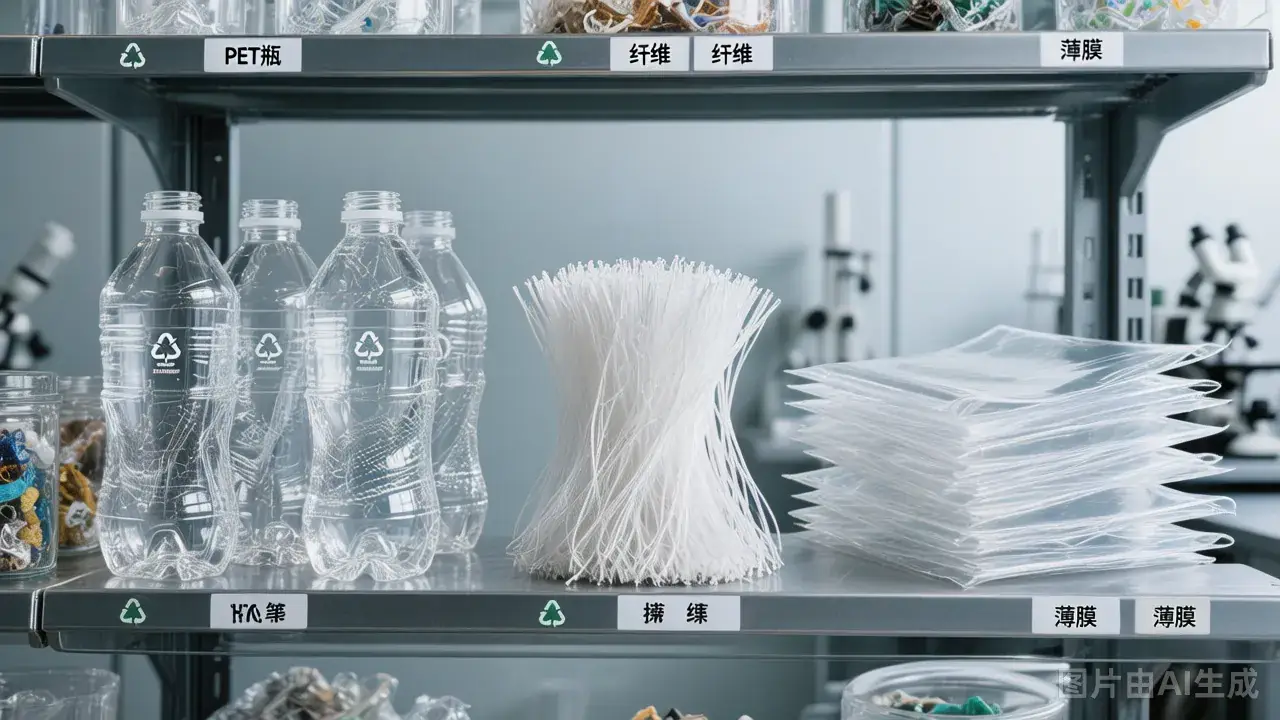
DMT Procurement Guide: How to Choose Solid Flake, Briquette and Liquid Dimethyl Terephthalate
Compare DMT solid flake, briquette and liquid forms across packaging, transport, feeding, storage and downstream applications to support procurement decisions for PBT, PET and PETG customers.
Read more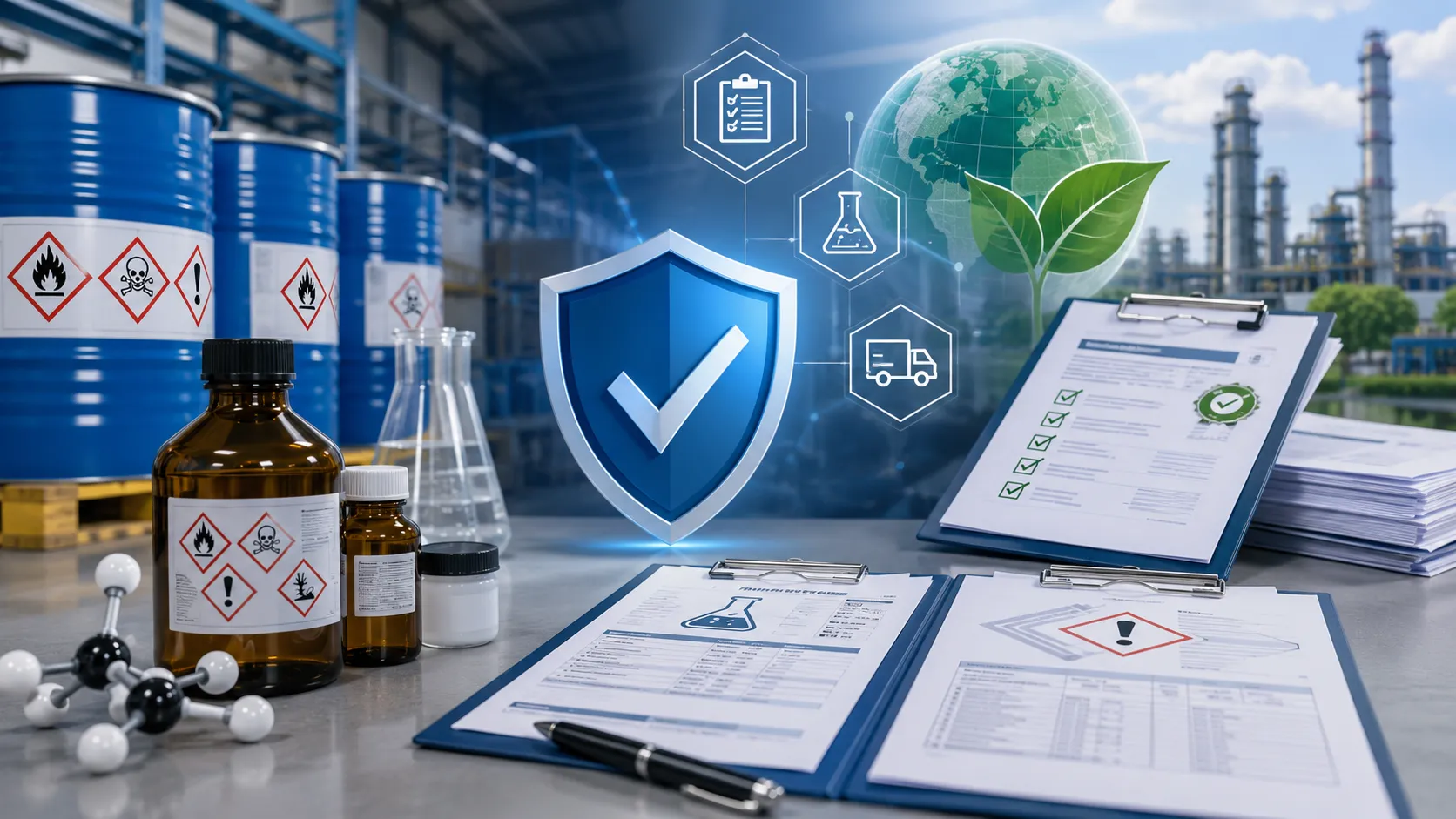 02Industry Trends
DMT Supplier Compliance Review Guide: Hazardous Chemical Management, ISO 14001 and COA/MSDS Documents
DMT procurement should review not only price and purity, but also supplier compliance, hazardous chemical management, ISO 14001, COA/MSDS documents and batch traceability.
Read more- 03Industry Trends
Recycled Materials Policy Drives Low-Carbon Polyester Raw Materials: Opportunities for DMT Suppliers
China's policy support for recycled materials and low-carbon industries creates long-term opportunities for low-carbon DMT, polyester-grade Dimethyl Terephthalate and high-quality polyester raw material supply chains.
Read more